How to Map Multiple Locations on a Map (2025 Guide)
How to Create a Map with Multiple Locations: A Complete Technical Guide
Need to display multiple locations on an interactive map for your website or application? This comprehensive guide will walk you through the technical process of creating custom maps with multiple markers using Google Maps Platform.
Method 1: Using Google Maps JavaScript API
Step 1: Set Up Google Cloud Project
First, you’ll need to configure the Google Maps Platform:
- 1. Create a project in [Google Cloud Console](https://console.cloud.google.com/)
- 2. Enable billing (Google offers $200 monthly credit)
- 3. Enable these APIs:
- – Maps JavaScript API
- – Geocoding API
- – Places API (optional)
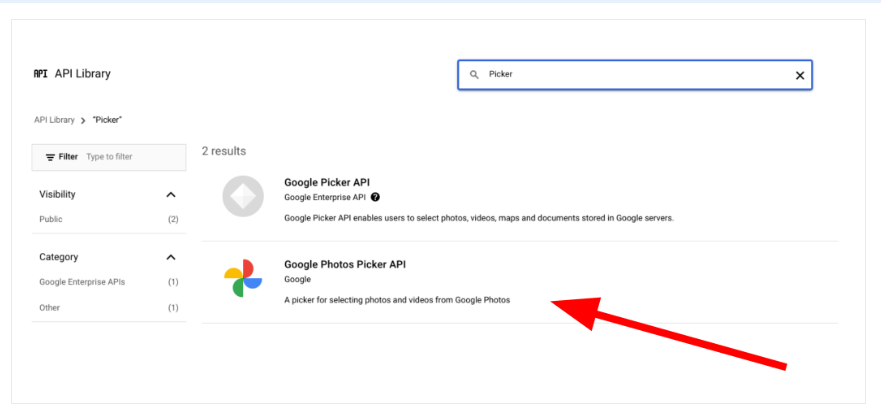
Step 2: Generate and Secure Your API Key
javascript
// Important: Always restrict your API key
// Go to Credentials > Create Credentials > API Key
// Restrict to: Maps JavaScript API, Geocoding API
// Set HTTP referrers: yourdomain.com/
Code language: JSON / JSON with Comments (json)
Step 3: Implement the Map with Multiple Markers
Here’s the complete HTML/JavaScript code to create your multi-location map:
<!DOCTYPE html>
<html>
<head>
    <title>Multiple Location Map</title>
    <script src="https://maps.googleapis.com/maps/api/js?key=YOUR_API_KEY&libraries=geometry"></script>
    <style>
        #map {
            height: 500px;
            width: 100%;
            border-radius: 8px;
        }
        .map-container {
            margin: 20px auto;
            max-width: 1200px;
        }
    </style>
</head>
<body>
    <div class="map-container">
        <h2>Our Locations</h2>
        <div id="map"></div>
    </div>

    <script>
        function initMap() {
            // Map configuration
            const mapOptions = {
                zoom: 10,
                center: { lat: 40.7128, lng: -74.0060 }, // New York
                styles: [
                    {
                        "featureType": "administrative",
                        "elementType": "labels.text.fill",
                        "stylers": [{"color": "#444444"}]
                    }
                ]
            };

            const map = new google.maps.Map(document.getElementById('map'), mapOptions);

            // Multiple locations data
            const locations = [
                {
                    name: "Downtown Office",
                    position: { lat: 40.7128, lng: -74.0060 },
                    address: "123 Main St, New York, NY",
                    type: "office"
                },
                {
                    name: "Brooklyn Warehouse",
                    position: { lat: 40.6782, lng: -73.9442 },
                    address: "456 Industrial Ave, Brooklyn, NY",
                    type: "warehouse"
                },
                {
                    name: "Queens Showroom",
                    position: { lat: 40.7282, lng: -73.7942 },
                    address: "789 Display Rd, Queens, NY",
                    type: "showroom"
                }
            ];

            const bounds = new google.maps.LatLngBounds();
            const infoWindow = new google.maps.InfoWindow();

            // Create markers for each location
            locations.forEach((location, index) => {
                const marker = new google.maps.Marker({
                    position: location.position,
                    map: map,
                    title: location.name,
                    icon: getMarkerIcon(location.type),
                    animation: google.maps.Animation.DROP
                });

                bounds.extend(location.position);

                // Add click listener for info window
                marker.addListener('click', () => {
                    infoWindow.setContent(`
                        <div class="info-window">
                            <h3>${location.name}</h3>
                            <p>${location.address}</p>
                            <small>${location.type.toUpperCase()}</small>
                        </div>
                    `);
                    infoWindow.open(map, marker);
                });
            });

            // Fit map to show all markers
            map.fitBounds(bounds);
        }

        function getMarkerIcon(type) {
            const icons = {
                office: 'http://maps.google.com/mapfiles/ms/icons/blue-dot.png',
                warehouse: 'http://maps.google.com/mapfiles/ms/icons/green-dot.png',
                showroom: 'http://maps.google.com/mapfiles/ms/icons/red-dot.png'
            };
            return icons[type] || icons.office;
        }

        // Initialize map when page loads
        google.maps.event.addDomListener(window, 'load', initMap);
    </script>
</body>
</html>
Code language: HTML, XML (xml)
Step 4: Advanced Features – Marker Clustering
For maps with many locations, implement marker clustering for better performance:
javascript
// Add this to your head after the main Maps API script
<script src="https://unpkg.com/@googlemaps/markerclusterer/dist/index.min.js"></script>

// Replace the marker creation code with:
const markers = locations.map(location => {
    return new google.maps.Marker({
        position: location.position,
        title: location.name
    });
});

new markerClusterer.MarkerClusterer({
    map,
    markers
});
Code language: PHP (php)
Method 2: Using Google My Maps (Simpler Alternative)
For a non-technical approach:
- 1. Go to [Google My Maps](https://www.google.com/maps/d/)
- 2. Click “Create a New Map”
- 3. Add locations using search or manual placement
- 4. Customize markers and layers
- 5. Share and embed using the provided iframe code
Common Challenges and Solutions
Challenge 1: Geocoding Addresse
// Convert addresses to coordinates
function geocodeAddress(address, callback) {
    const geocoder = new google.maps.Geocoder();
    geocoder.geocode({ address: address }, (results, status) => {
        if (status === 'OK') {
            callback(results[0].geometry.location);
        }
    });
}
Code language: PHP (php)
Challenge 2: Performance Optimization
- – Implement marker clustering for 50+ locations
- – Use server-side geocoding for large datasets
- – Implement lazy loading for maps
Challenge 3: Mobile Responsiveness
css:
@media (max-width: 768px) {
    #map {
        height: 300px;
    }
}
Code language: CSS (css)
The Complexity of DIY Map Solutions
As you can see, creating a custom multi-location map requires significant technical expertise:
- – API management and security concerns
- – Complex JavaScript programming
- – Performance optimization for large datasets
- – Cross-browser compatibility testing
- – Ongoing maintenance and cost management
The Professional Alternative: MapsFun.com
Why spend hours or days wrestling with complex code when you can create beautiful, interactive multi-location maps in minutes?
MapsFun.com eliminates all the technical complexity:
- ✅ No coding required – Visual, intuitive interface
- ✅ No API keys or billing setup – We handle the backend
- ✅ Drag-and-drop location management
- ✅ Custom styling and branding
- ✅ Automatic mobile optimization
- ✅ Real-time collaboration features
- ✅ Multiple export and embed options
Create stunning, professional maps with multiple locations in just a few clicks. Perfect for store locators, event maps, real estate portfolios, and service area visualizations.
Stop struggling with technical implementation. Visit MapsFun.com today and create your perfect multi-location map in minutes, not days!